Personal timeline
How I got here
A few moments that shaped how I think, what I build, and why I chose to pursue computer science and mathematics together.
From Minecraft to code
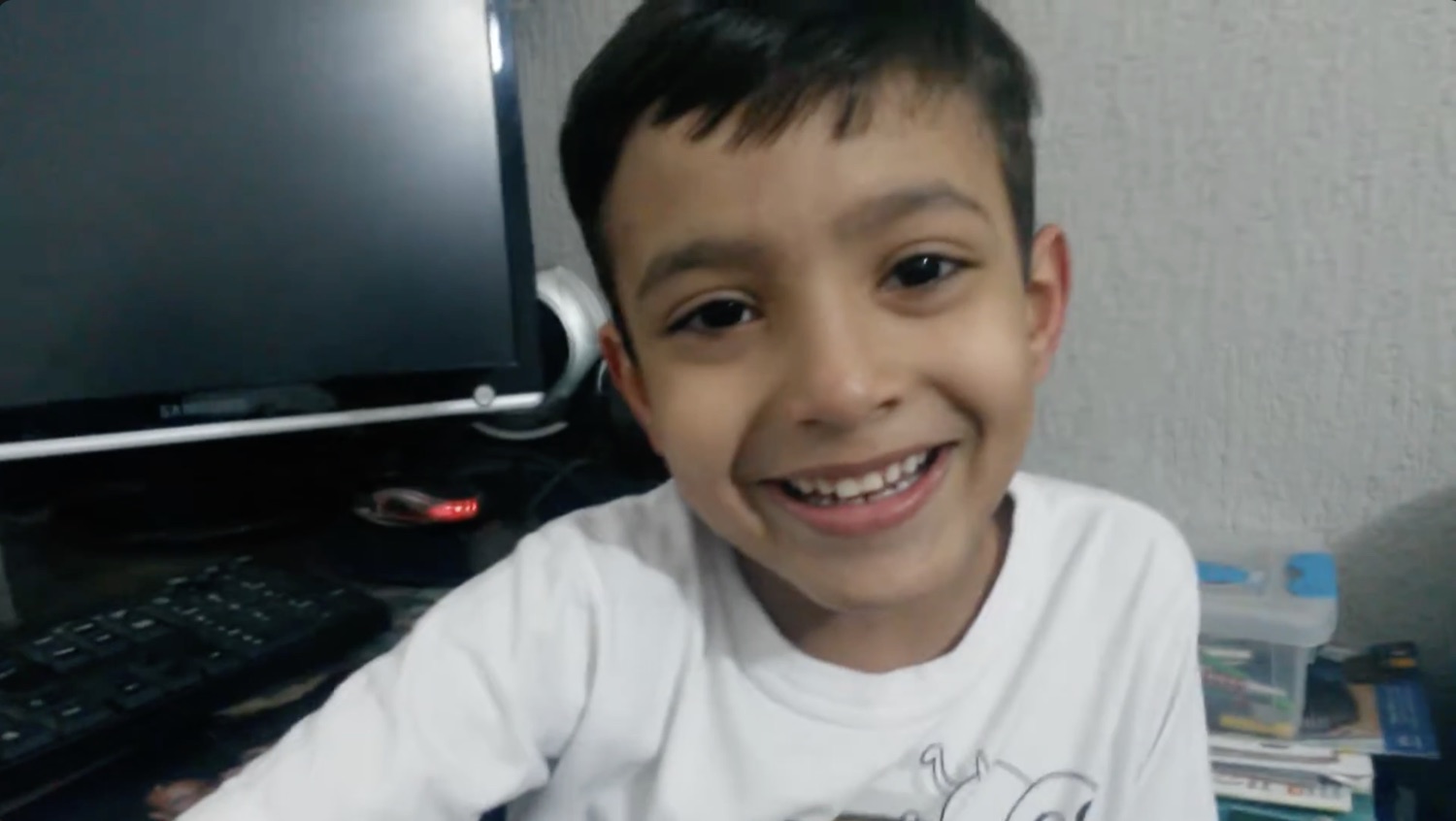
I was born on January 4, 2010, in São Paulo, SP, and moved to Guarulhos when I was young. Games—especially Minecraft—became my first way into computers. In 2016, I opened a YouTube channel to share builds, maps, gameplay, and tutorials for installing mods.
Soon, using other people's creations was not enough: I wanted to make my own. Learning how Java fit into Minecraft opened the door, and, encouraged by my father, who already programmed, I began learning Python in 2019.
Building—and finding a community
In 2021, I joined a programming community on Discord and began building my first applications with JavaScript and React. One was a small social-network prototype made for school friends. It never reached production, but it changed the scale of what I thought I could create.
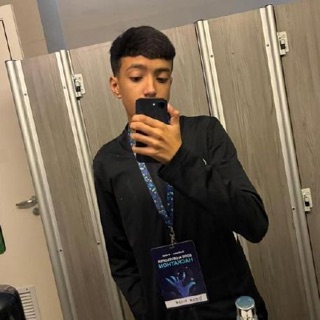
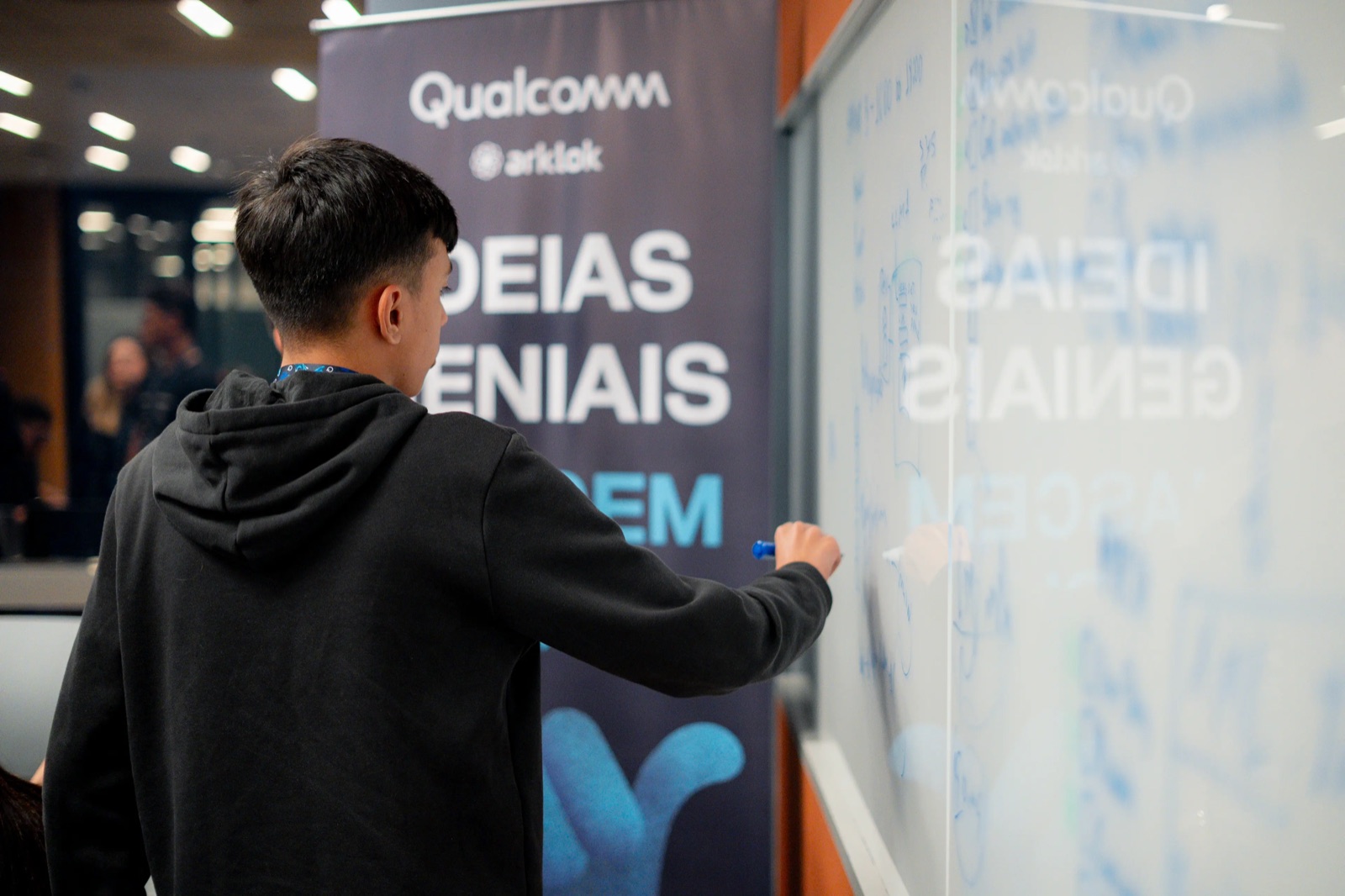
In 2025, while studying at ETEC Santa Ifigênia, I started attending technology events in São Paulo, meeting developers, and becoming active in Servidores dos Programadores, where I am now an administrator. Those connections led me to hackathons; I entered the first ones through special authorization as a minor, before later editions opened participation to younger builders.
Mathematics became a second language
Alongside programming, I began studying mathematics as a hobby. Programs such as the Prandiano Mathematics Museum and SigmaCamp later made it a more experimental and collaborative part of my work.
Today, I do not see mathematics and computer science as separate paths. One gives me ways to describe structure, uncertainty, motion, and optimization; the other lets me test those descriptions against real systems.
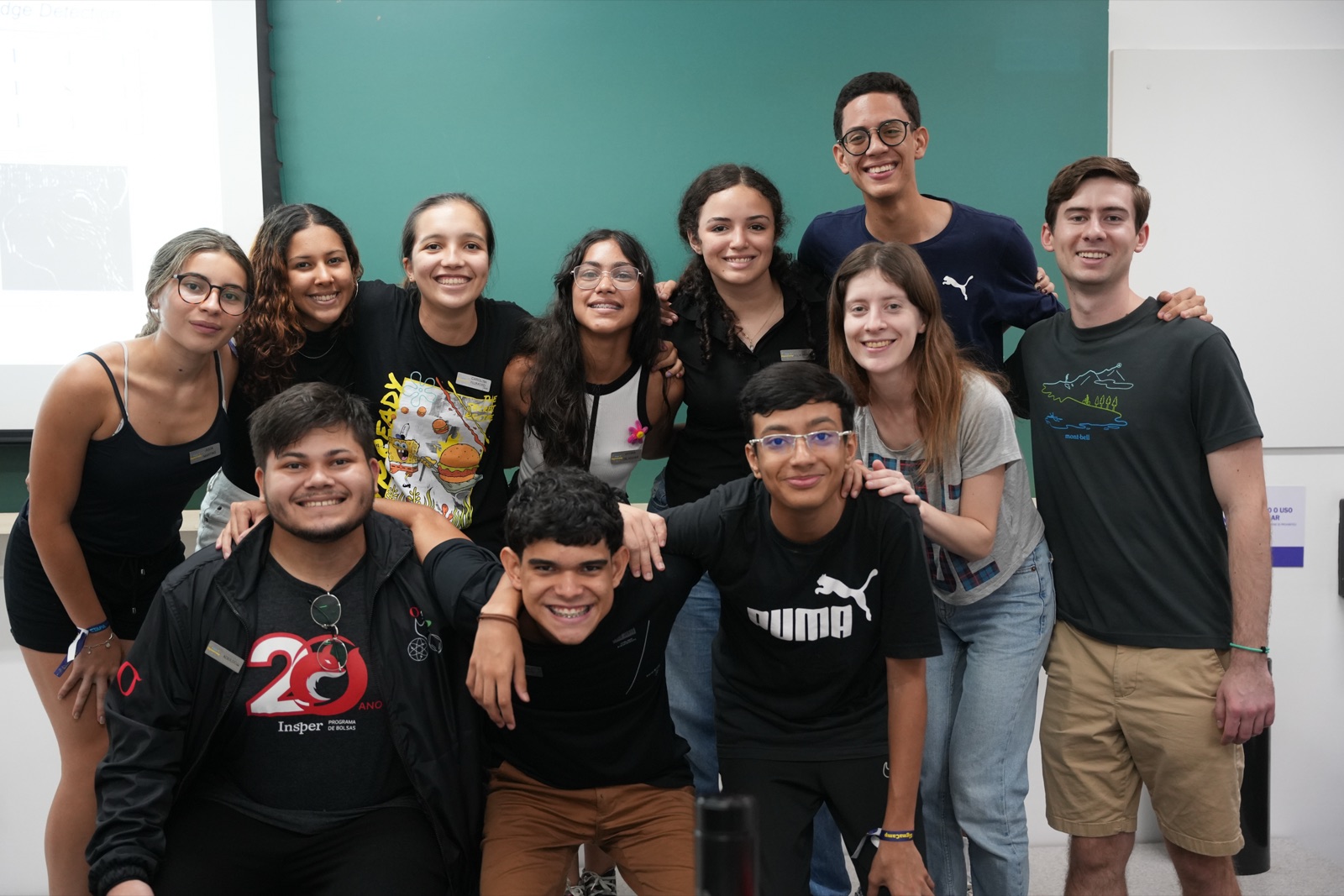
A new city and bigger projects
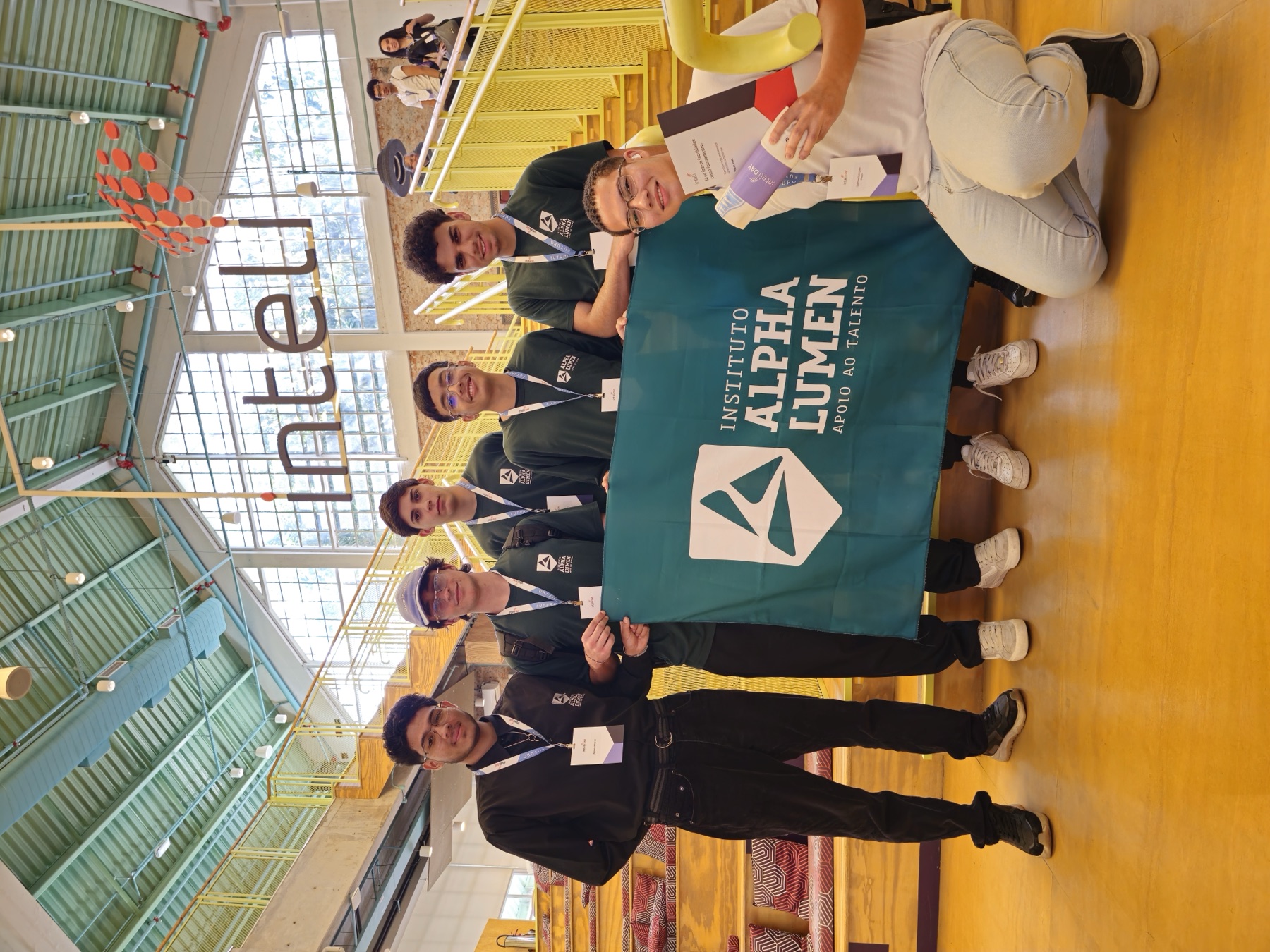
My work in programming communities, events, and hackathons helped me earn a full scholarship to Instituto Alpha Lumen. In 2026, I moved to São José dos Campos and joined a school community built around science and student-led projects.
There, the threads began to meet: research on Braess' paradox, robotics with AlphaBots, organizing through Hack-SP, and ORBIT-Lab—a project combining software, physical modeling, control, and aerospace.